
You cannot understand martial arts from the sidewalk.
From the outside it looks simple. Uniforms. Pads. People bowing before class. Step inside and the atmosphere changes. There is nervous laughter. Someone wraps their hands too tight. A beginner stands near the wall pretending to stretch, unsure where to stand.
Class starts.
Your heart rate climbs faster than expected. The combinations feel awkward. Your brain struggles to process footwork and timing at the same time. You feel exposed.
Then something subtle begins to happen.
Not inspiration. Not a dramatic breakthrough. Just adaptation.
This is how martial arts can transform your life. Quietly. Through repetition. Through friction.
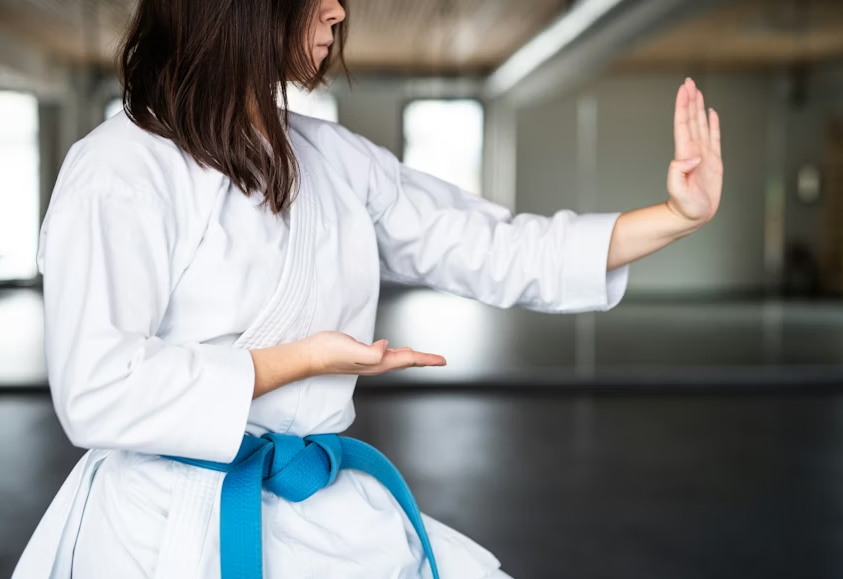
The Mental Changes That Happen First
Most people sign up for fitness. The deeper changes are psychological.
Fear Becomes Manageable
A first class in Muay Thai can feel chaotic. Combinations are shouted out. Pads snap loudly. Your body moves half a second behind your brain.
You worry about looking foolish.
After a few weeks, the anxiety softens. You still make mistakes, but you recover faster. The room no longer feels threatening.
That pattern matters. Repeated contact with mild stress reshapes how the nervous system responds. Instead of freezing, you adjust.
The same mechanism explains why students often report better composure at work or in difficult conversations.
Emotional Regulation Under Pressure
In Brazilian Jiu-Jitsu, beginners often panic when pinned. Instinct says explode and escape. That reaction drains energy.
Instructors coach breathing first. Slow down. Frame. Create space.
You learn to think while uncomfortable.
Months later, that skill shows up outside the academy. Heated meetings feel less overwhelming. You pause before reacting. Physical practice trains emotional control.
Attention That Deepens
In Karate, small details decide whether a technique works. Hip rotation. Hand alignment. Balance.
Distraction has immediate consequences. If you lose focus, the movement collapses.
Training rewires attention through repetition. Neuroplasticity allows the brain to strengthen circuits that are used frequently. Practice focused effort long enough and it becomes easier to access in daily life.
Phones stay off. Multitasking disappears. You are either present or you fall behind.
The Physical Adaptation Is Real
The physical side is obvious. The process behind it is often misunderstood.
Strength Through Coordination
Striking arts build rotational strength. Grappling builds static strength in stabilizing muscles.
You are not isolating muscles. You are training coordinated force production.
Students often notice:
- Improved balance
- Better posture
- Stronger grip
- More stable knees and shoulders
The body becomes integrated rather than segmented.
Conditioning Without Boredom
A typical Muay Thai class might include shadowboxing, pad work, clinch drills, and bodyweight circuits.
Heart rate fluctuates between explosive output and controlled breathing. It feels like skill practice, yet conditioning improves rapidly.
Because attention is on learning, effort feels purposeful rather than repetitive.
Mobility Returns
High kicks demand hip mobility. Guard work in Brazilian Jiu-Jitsu requires spine rotation and hamstring flexibility.
Adults who sit most of the day begin reclaiming movement capacity they assumed was gone. It does not happen overnight. It happens through controlled repetition near the edge of current ability.
Martial Arts Self-Defense Benefits
Self-defense is often the initial motivation.
Good academies start with awareness. Distance management. Reading intent. Avoidance.
Physical techniques come next.
Grappling teaches how to escape from inferior positions. Striking teaches timing and range control. Drills simulate resistance in controlled formats.
Students do not leave believing they are invincible. They leave knowing they are less helpless.
That shift influences posture and eye contact. It reduces background anxiety. The world feels less unpredictable.
The Social Impact Most Adults Do Not Expect
Training creates unusual bonds.
You hold pads while someone practices combinations. You trust training partners not to injure you during sparring. You watch beginners struggle through the same drills you once found confusing.
Shared effort builds mutual respect.
For adults working long hours or remotely, the academy becomes a rare in person community. Attendance is noticed. Progress is acknowledged.
Belonging grows naturally through shared difficulty.
Martial Arts for Kids and Character Development
Parents searching for martial arts for kids are rarely focused on fighting ability. They want behavioral development.
The class structure provides repetition and expectation.
Listening and Focus
Children line up. They respond to instructions. They wait for their turn.
Habit formation follows repetition. Cue, action, feedback. Over months, those patterns strengthen.
Parents often report improved listening at home. Not because of lectures. Because of practice.
Emotional Control
Children lose points. They get corrected. They try again.
Learning to handle frustration safely is a rare skill. Controlled sparring provides that environment.
Rank and Responsibility
Belt systems in arts like Karate and Brazilian Jiu-Jitsu create visible milestones. Advancement requires demonstration of skill and conduct.
Children connect effort with advancement. The lesson is simple but powerful.
Long-Term Lessons That Extend Beyond the Mat
Training for years changes identity.
At first, someone says they are trying martial arts. Later they say they train.
That subtle shift influences behavior. Attendance becomes part of self concept.
Skill acquisition also reshapes expectations. A triangle choke or spinning kick feels impossible at first. Through repetition it becomes automatic.
That experience recalibrates patience in other areas of life.
Controlled adversity becomes normal. Hard rounds. Fatigue. Minor setbacks.
Daily stress feels less dramatic when your baseline includes voluntary challenge.
A Familiar Scenario
A 42 year old professional joins a Brazilian Jiu-Jitsu academy.
Sedentary job. Mild back discomfort. Hesitant but curious.
First class feels overwhelming. Terminology is confusing. Five minutes of drilling feels like twenty. Driving home, doubt creeps in.
Week four feels different. Still tired, but less anxious.
Month four. Posture improves. Energy stabilizes. Stress reactions soften.
Year one. Their child enrolls in the kids program.
No cinematic breakthrough. Just attendance and effort.
Life outside the academy feels steadier.
That is how martial arts can transform your life. Not through spectacle. Through accumulation.
Why Many Martial Arts Schools Fail to Communicate This Online
Here is the problem.
Most academy websites list schedules, instructor bios, and generic promises about leadership. They rarely describe what the first class feels like. They avoid emotional specifics.
Adults searching benefits of martial arts training or martial arts for confidence want reassurance grounded in reality. Parents searching martial arts for kids want evidence of character development.
Instead they see vague slogans.
Without lived detail, trust remains low.
How a Strong Online Presence Helps More People Step Onto the Mat
A martial arts academy offers more than classes. It offers identity, community, and capability.
The website must reflect that.
Local Visibility
When someone searches Brazilian Jiu-Jitsu near me or kids martial arts classes, your academy should appear prominently in local results.
That requires accurate listings, location specific content, and reviews that describe lived experience.
Messaging That Reflects Reality
Describe the nerves of the first class. The gradual physical adaptation. The emotional steadiness that develops.
Specific stories resonate more than abstract claims.
Simple Trial Booking
Booking a trial should require minimal friction. Clear call to action buttons. Straightforward scheduling. Confirmation messages that explain what to bring and what to expect.
Reduce uncertainty before students arrive.
Credibility Signals
Instructor credentials matter. Years of experience. Competition background if relevant. Safety policies.
Parents and adults look for proof before commitment.
Testimonials should describe change in concrete terms. Improved focus. Better stress management. Stronger posture.
For Studio Owners Who Understand the Depth of This Work
You have seen shy children speak up for the first time. You have watched adults release months of tension through pad rounds. You know the culture of the mat cannot be reduced to belt photos.
If your online presence does not capture that depth, potential students never see it.
A martial arts digital marketing agency that trains, studies the culture, and understands student psychology can help align your message with lived experience.
If you are ready to communicate what actually happens inside your academy, book a strategy call. Review your positioning. Refine your story.
More aligned students will walk through your doors.
And their lives will change because they did.